
What Is an Adjustable-Rate Mortgage?

What Is an Adjustable-Rate Mortgage?
When you’re shopping for your first home, it can feel like every decision comes with a brand-new term. One you may hear often is ARM, short for adjustable-rate mortgage. While the name may sound intimidating, the idea behind it is pretty straightforward.
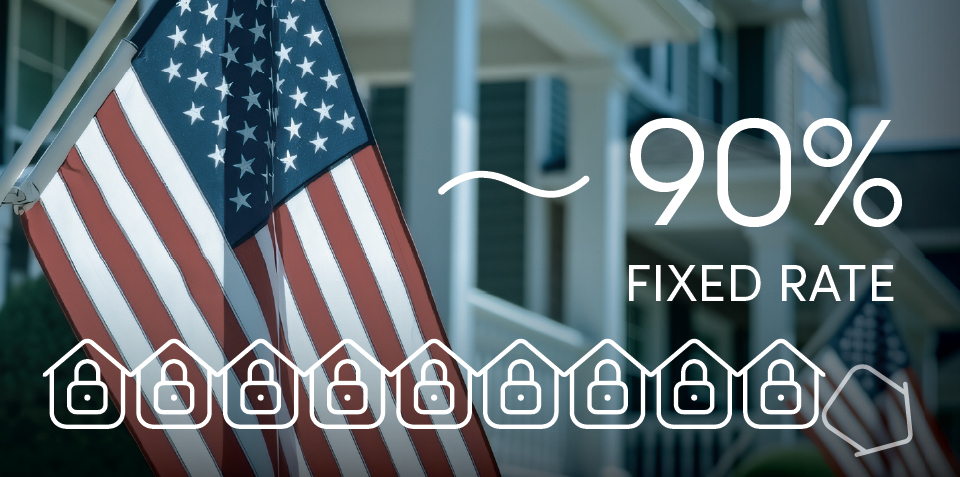
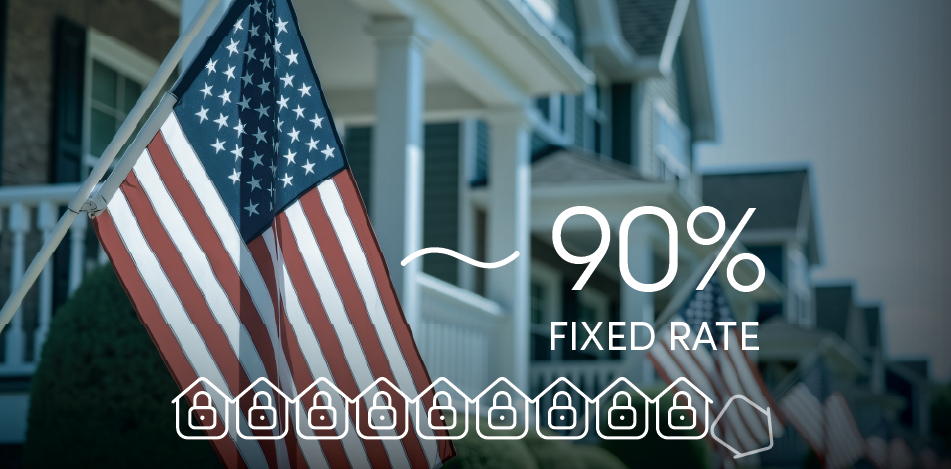
The vast majority of mortgages in the U.S. — more than 90% — are fixed rate, meaning that the interest rate you pay your lender is the same for the full life of your loan.
But some homeowners need or want the flexibility that comes with an adjustable-rate mortgage, one where the interest rate can change over time. With an ARM, your loan usually starts with a lower, fixed interest rate for an introductory period determined by your lender. During that time, your monthly payment stays the same.
After the introductory period ends, the loan enters the “adjustable” phase. This means the interest rate can go up or down based on market conditions. Adjustments typically happen once a year, and there are rules, called rate caps, that limit how much your rate can change at one time and how much it can change over the life of the loan. These caps are designed to prevent sudden, dramatic jumps in your payment.
So why would anyone choose an adjustable-rate mortgage? If you expect to move, refinance or earn more income before the adjustable period begins, an ARM’s lower starting rate can be appealing. It may allow you to enjoy lower payments early on, when every dollar counts. But it’s important to remember that, with an ARM, your payment could change in the future. While rates might go down, they can also go up.
As with any financial product, it's important to understand what you’re signing up for. Knowing the adjustment schedule, rate caps and worst-case payment scenario can help you decide whether an ARM fits your budget and your long-term plans. Asking questions and understanding how it works is the best way to feel confident moving forward.
For educational purposes only.