
What Is PMI, and When Do I Need It?

What Is PMI, and When Do I Need It?
If you’ve heard the term “PMI” and thought, “Great, another mortgage acronym” — you’re not alone.
PMI stands for Private Mortgage Insurance, and it can play an important role in helping some people buy a home sooner.
Typically, mortgage lenders ask homebuyers to pay 20% of the asking price as a down payment at the time of purchase. When you put less than 20% down on a conventional mortgage, you’ll usually be required to get PMI.
This insurance is different from your homeowner’s insurance; it helps the mortgage lender. A smaller down payment from the homebuyer means a larger mortgage and more risk for the lender. PMI protects the lender should the loan ever go into default.
How Much Does PMI cost?
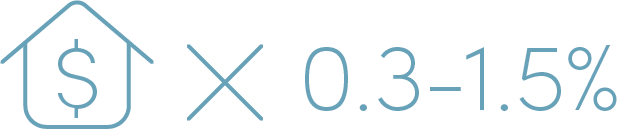
PMI is typically added to your monthly mortgage payment and can range from about 0.3% to 1.5% of your loan amount per year, depending on factors like your credit score, down payment and loan type. The good news is that it’s not permanent.
When Does PMI Go Away?
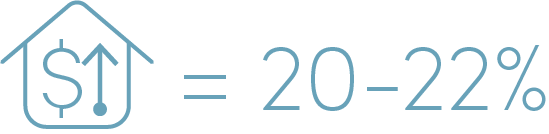
In most cases, PMI can be removed once you reach 20% equity in your home. This can happen as you pay down your loan, as your home value increases or both. By law, lenders must automatically cancel PMI once you reach 22% equity, as long as you’re current on your payments.
Bottom Line
PMI is meant to be a tool. It often allows buyers to purchase a home years earlier than if they had to wait to save for a 20% down payment. Potential homeowners should look at their own individual situations to weigh whether the benefits of buying sooner — like building equity in a home — outweigh the cost of PMI. And if you currently own a home and are unsure whether you’re paying PMI or when it can be removed, your mortgage servicer can help you find the answers quickly.
For educational purposes only.